What is a planned inspection or bearing replacement today could turn into unexpected machine downtime during the next season.
Dust, mud, moisture, heavy loads and long operating hours – for the bearings and rotating components of agricultural machinery, these are often not exceptional conditions. They are simply part of the season.
When the intensive work comes to an end, it is easy to think: the machine has done its job, and you can deal with it again before the next season begins.
But the reliability of the next season actually starts now.
End-of-season maintenance gives you the opportunity to inspect critical points in a planned way, identify early signs of wear or potential failure, and replace components that may no longer be reliable.
So before you park your machine for an extended period, there is one important question worth asking:
What would you rather discover now than when every hour of machine uptime counts?
What Happens Under the Covers Is Not Always Visible
Not every developing problem can be spotted during a quick visual inspection of the machine.
During harvesting, dust, dry crop residue and other contaminants can accumulate in covered and hard-to-reach areas. Bearings, drive components and other moving parts operating under demanding conditions also deserve particular attention during maintenance.
The most important problem may not be the one you can see at first glance.
That is why the end of the season is an ideal time to inspect covered, heavily contaminated and high-load areas more thoroughly. Removing accumulated dirt and crop residue can also make it easier to identify signs of wear, damaged seals, lubricant leakage or other abnormalities before the machine is put into storage.
4 Things to Check at the End of the Season
1. Inspect the Bearings and Bearing Units
Agricultural bearings have to withstand demanding operating conditions. They may be exposed to dust, mud, moisture, vibration, heavy loads and, in certain applications, intensive washing.
Warning signs can include unusual noise, abnormal heat generation, increased vibration, damaged seals, corrosion, or lubricant leakage and contamination. If the condition of a bearing is already uncertain, now is the right time to address it.
During the season, the same issue could turn planned maintenance into unplanned downtime.
2. Look Beyond Bearing Size – Find the Root Cause of the Problem
When a bearing needs to be replaced, one question usually comes up immediately:
Which bearing do I need?
But there is another question that is just as important:
Why did the previous bearing need to be replaced?
If dust, mud, moisture or frequent washing repeatedly causes problems at the same point, simply installing the same solution again may not be enough.
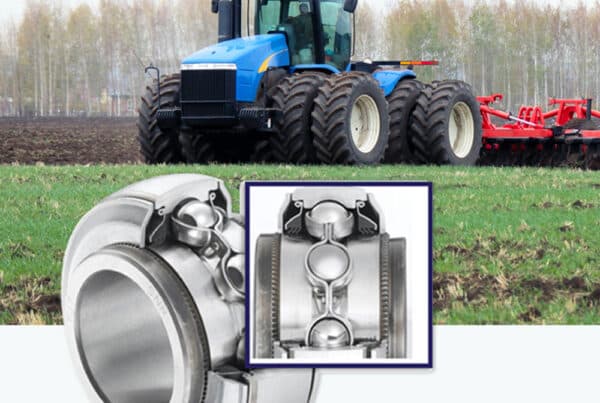
The NTN-SNR AGR bearing range was developed for demanding agricultural environments like these.
The AGR design features an L3 triple-lip seal and additional protective components to help protect the bearing against external contaminants. According to the manufacturer’s documentation, the sealing system provides protection against water splashes and is suitable for high-pressure cleaning. The bearing insert is filled to 90% with high-performance grease and is lubricated for life, eliminating the need for relubrication.
If the same problem keeps coming back, don’t just replace the bearing – consider a solution that is better suited to the application.
3. Don’t Just Focus on the Bearing – Installation Matters Too
The service life of a high-quality bearing that is correctly selected for the application can also be affected by how it is installed.
Using the right tools can help reduce the risk of damage caused by incorrect force application or improper installation methods.
Before replacing the bearing, it is also worth thoroughly cleaning and degreasing the relevant surfaces. Damage, leaks and other abnormalities are easier to identify on a clean surface.
If the application requires it, don’t forget to use the appropriate threadlocker or bearing retaining compound.
What you may need for bearing replacement:
4. Plan Next Season’s Lubrication Now
Do you have lubrication points that are difficult to access? Or ones that are easy to forget?
What about lubrication points where the machine has to be stopped regularly to ensure proper lubrication?
End-of-season maintenance is a good opportunity not only to relubricate, but also to consider how lubrication should be managed during the next season.
simalube automatic lubricators provide a continuous, controlled supply of lubricant, helping to reduce the need for manual relubrication. Selecting the right solution always depends on the specific application, lubricant and operating conditions.
Don’t Just Park Your Machine – Get It Ready for the Next Season
In agriculture, when a machine stops matters.
Now, as planned, in the workshop? Or later, when it should be out in the field?
That is why end-of-season maintenance should be considered the first maintenance task of the next season.
Clean it. Inspect it. Listen to it. Check the critical points. Replace anything that is no longer reliable.
And if the same failure keeps coming back, don’t just look for another replacement part. Find the root cause.
You may need better sealing, a bearing that is more suitable for the operating environment, proper installation, or a more reliable lubrication solution.
Don’t Let One Small Component Bring an Entire Machine to a Stop
From bearings and bearing units to installation and maintenance tools, cleaning products, retaining compounds and automatic lubrication solutions – at Bearing Kft., we can help you find what you need to keep your machinery properly maintained.
Don’t wait until your machine should already be working to start looking for the right replacement part.
Not sure which bearing or maintenance solution is right for your application?
Contact us! We’ll help you find the right solution for your application.
Frequently Asked Questions About End-of-Season Maintenance for Agricultural Machinery
When should end-of-season maintenance be carried out on agricultural machinery?
End-of-season maintenance is best carried out shortly after intensive seasonal work has been completed. At this stage, wear, contamination and other issues that developed during the season can still be identified, allowing necessary repairs or component replacements to be planned and completed before the next season.
What are the warning signs of a bearing problem in agricultural machinery?
Warning signs can include unusual noise, abnormal heat generation, increased vibration, damaged seals, corrosion, or lubricant leakage and contamination. If you notice any of these signs, the bearing should be inspected more thoroughly.
Why is bearing sealing important in agricultural environments?
Bearings in agricultural machinery are frequently exposed to dust, mud, moisture and other contaminants. An appropriate sealing solution helps reduce the risk of these contaminants entering the bearing and adversely affecting its operation.
What are NTN-SNR AGR bearings designed for?
NTN-SNR AGR bearings are designed for demanding agricultural environments. The AGR design features an L3 triple-lip seal and additional protective components to help protect the bearing against external contaminants. According to the manufacturer’s documentation, the sealing system provides protection against water splashes and is suitable for high-pressure cleaning.
Why is it important to use the right tools when replacing a bearing?
Using the correct bearing mounting and dismounting tools can help reduce the risk of damage caused by incorrect force application or improper installation methods. The way a bearing is installed can also have a significant impact on the service life of a high-quality bearing.
When should an automatic lubrication system be used on agricultural machinery?
An automatic lubrication system can be particularly useful for lubrication points that are difficult to access, require regular lubrication, or where manual relubrication is time-consuming. The right solution always depends on the specific application, lubricant and operating conditions.
What should be checked during end-of-season maintenance?
Bearings and bearing units, seals, lubrication points, fastening points, and hard-to-reach or heavily contaminated areas should all be inspected. Cleaning the machinery also makes it easier to identify wear, leaks and other abnormalities.