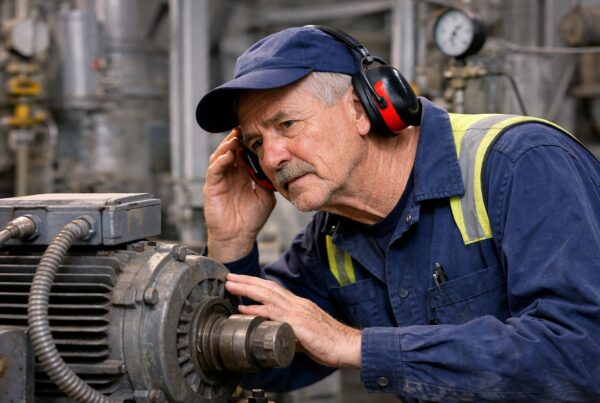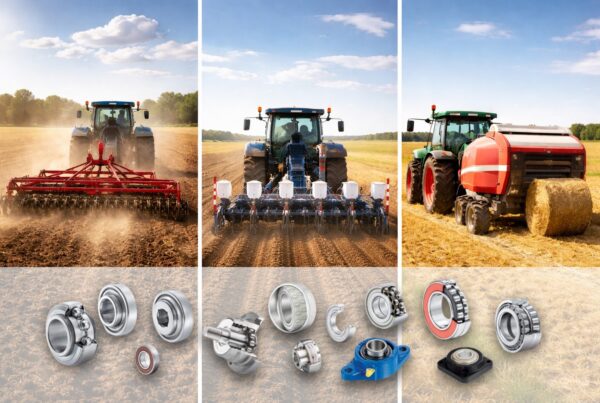
There are situations where the catalog is no longer enough.
Where real loads, vibration, and environment matter more than theoretical values.
No overheating.
No seizure.
No intervention needed during the cycle.
A Formula Student race car is exactly that kind of environment.
There’s no “we’ll check it later.”
It either survives — or it fails.
The same problem as in an industrial plant – just faster
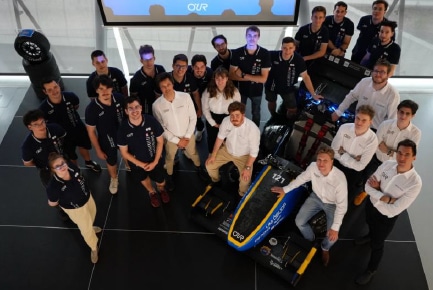
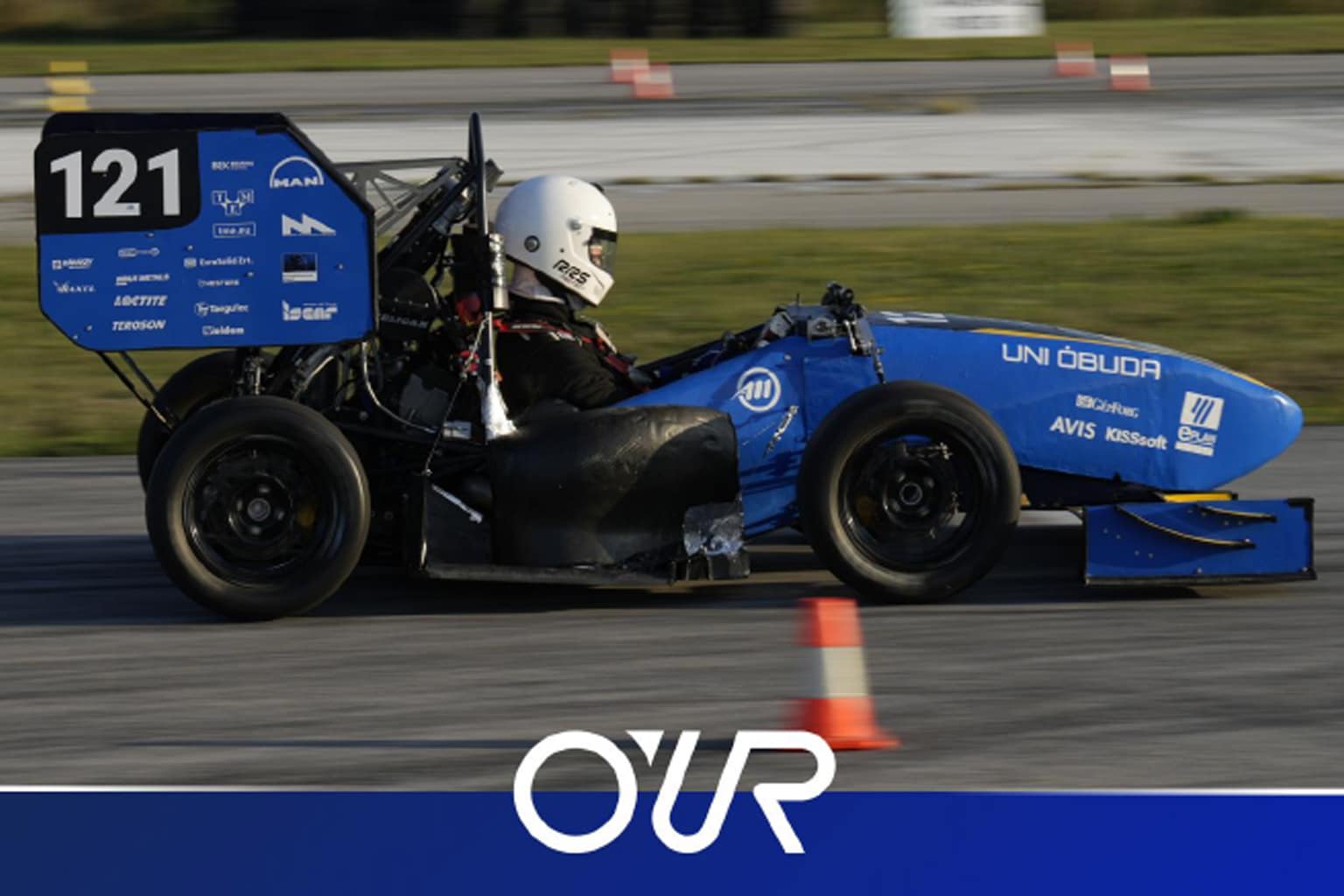
The Óbuda University team used bearings in multiple parts of the car: suspension, wheel hubs, steering, shafts, pedal box, drivetrain, and differential.
These are not “easy” applications.
Vibration, shock loads, sudden direction changes, rapid speed fluctuations.
The same things happen in a conveyor system or a production line.
The only difference is time. What shows up in one lap here might take months in an industrial setup.
Yet the OUR Team’s feedback was clear: the bearings ran through the entire season without any bearing-related failure.
That’s the point where a maintenance engineer starts paying attention.
Why did it work?
Not because of a “magic bearing,” but because several small decisions came together.
Thin section series – when space is limited
Thin section series (618, 619) are often used in these cases because installation space is limited, while speed and precision still matter.
2RS vs 2Z – more than just sealing
In most positions, 2RS bearings were used.
They protect against dirt, dust, and fine contamination. On a racetrack, this is a given. In industrial environments, it’s just as important, but often underestimated.
Where speed becomes critical, 2Z comes into play.

Sintered bronze – the quiet survivor
These solutions are often overlooked.
Yet at low speeds and under steady loads, they can provide very stable operation.
Thanks to their self-lubricating structure, sintered bronze bushings perform well where continuous relubrication is not available.
This is exactly why many maintenance teams choose them for simpler mechanisms.
Why does this matter in everyday practice?
Because these are the same decisions you face as well:
- what type of sealing is needed
- whether the bearing fits the available space
- whether a rolling bearing is even necessary
- what the lubrication looks like
The only difference is time.
On a race track, it becomes clear over a weekend.
In an industrial plant, it may take months.
FAQ – Frequently Asked Questions Before Choosing a Bearing
When should I choose a 2RS bearing?
A 2RS bearing is sealed with rubber seals, effectively protecting the internal components from dust, moisture, and contamination. In most industrial environments, this is the safer choice, especially where clean operating conditions cannot be guaranteed.
When is a 2Z version better?
A 2Z bearing is equipped with metal shields, which result in lower rolling resistance. It is advantageous at higher speeds and in cleaner environments, where efficiency is more important than full sealing.
What is a sintered bronze plain bearing used for?
Sintered bronze bearings are self-lubricating, making them ideal for applications where regular maintenance is not possible. At lower speeds, they provide a stable and reliable solution.
When should I choose a thin-section bearing?
Thin-section bearings are ideal when installation space is limited, but speed and stable operation are still important. They are commonly used in compact machines, drives, and precision systems.
When should I use stainless steel bearings?
Stainless steel bearings are recommended in wet, corrosive, or frequently washed environments, such as in the food industry, chemical industry, or outdoor equipment.
If you are about to choose a bearing, or trying to eliminate a recurring failure, it’s worth taking a closer look from a technical perspective.
If you’re looking for bearings, feel free to contact us. We’ll help you find the right solution.