An electric motor or pump’s energy consumption is determined by more than just its power output. Friction caused by inadequate lubrication can significantly increase energy demand while accelerating bearing wear and raising maintenance costs.
As energy costs continue to rise, industrial companies are constantly looking for ways to reduce energy consumption and improve the efficiency of their equipment.
When discussing energy efficiency, the focus is often placed on electric motors, drive systems, or automation technologies. However, there is another, less obvious factor that can have a significant impact on energy consumption: friction resulting from improper lubrication.
If a bearing does not receive the correct amount of lubricant, friction increases, operating temperatures rise, wear accelerates, and the equipment requires more energy to perform the same task.
For this reason, an effective lubrication strategy not only helps extend bearing service life but can also contribute to improved energy efficiency and more reliable machine operation.
If you would like to learn how automatic lubrication can improve the performance and reliability of your equipment, feel free to contact the experts at Bearing Kft..
We will help you select the lubrication solution that best matches your application and operating conditions.
Why Does Friction Increase Operating Costs?
Friction is a natural part of the operation of every rotating machine component. The purpose of lubrication is to keep this friction to an absolute minimum.
However, when lubrication is inadequate, the consequences can appear quickly and affect both equipment performance and operating costs.
Common consequences include:
- Increased energy consumption
- Higher operating temperatures
- Accelerated wear
- Reduced bearing service life
- More frequent maintenance
- Unexpected machine downtime
In many cases, the bearing itself is not the biggest expense. The real costs often come from unplanned downtime, lost production, and emergency repairs.
The Biggest Challenges of Manual Lubrication
Most premature bearing failures are not caused by manufacturing defects but by improper lubrication practices.
The most common lubrication-related issues include:
- Insufficient lubrication
- Over-lubrication
- Using the wrong lubricant
- Missed re-lubrication intervals
- Contaminated lubricant
With manual lubrication, it is also difficult to apply the right amount of lubricant consistently every time. As a result, both over-lubrication and under-lubrication are common problems.
Even a single lubrication error can be enough to significantly reduce bearing service life.
Why Choose Automatic Lubrication?
Automatic lubrication systems deliver small, precise amounts of lubricant directly to the lubrication point at regular intervals.
This provides several important benefits:
✔ Reduced friction
✔ Lower wear rates
✔ Potentially lower energy consumption
✔ Extended bearing service life
✔ Reduced maintenance requirements
✔ Lower risk of human error
Automatic lubrication is particularly beneficial for equipment operating continuously or for machinery with lubrication points that are difficult to access.
Where Is Automatic Lubrication Most Beneficial?
Automatic lubrication systems can provide significant advantages across a wide range of industrial applications, including:
- Electric motors
- Pumps
- Fans
- Conveyor systems
- Food processing equipment
- Woodworking machinery
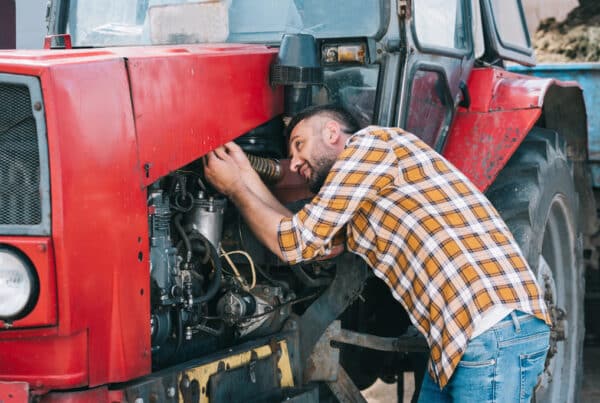
- Agricultural machinery
- Paper and packaging production lines
Automatic lubrication is especially valuable in applications with numerous lubrication points or where equipment operates continuously. In these environments, it can significantly simplify maintenance, improve lubrication consistency, and help reduce the risk of lubrication-related failures.
Energy Efficiency and Sustainability
An effective lubrication strategy not only improves machine reliability but can also help optimize energy consumption.
According to calculations by simatec, the use of automatic lubrication systems can save up to 270,000 kWh of energy per year, equivalent to a reduction of approximately 57.5 tonnes of CO₂ emissions.
This corresponds to approximately:
- The annual heating energy consumption of 70 households
- The CO₂ emissions generated by driving 480,000 kilometres
The actual energy savings will vary depending on the application, lubrication system, and operating conditions.

Simalube – Intelligent Lubrication for Industrial Applications
Simalube automatic lubrication systems provide a continuous supply of lubricant, helping to reduce friction, minimize wear, and extend bearing service life.
For applications with higher back pressure or longer lubrication lines, the Simalube IMPULSE connect intelligent pressure booster ensures reliable lubricant delivery while also enabling remote monitoring of the lubrication system.
Improving energy efficiency does not always require major investments. In many cases, implementing the right lubrication strategy can already contribute to more economical machine operation.
Automatic lubrication helps reduce friction and wear, extend bearing service life, improve equipment reliability, and minimize the risk of unexpected downtime.
FAQ
Can proper lubrication really reduce energy consumption?
Yes. Proper lubrication reduces friction and mechanical losses, helping equipment operate more efficiently and potentially lowering energy consumption.
Which types of equipment benefit most from automatic lubrication systems?
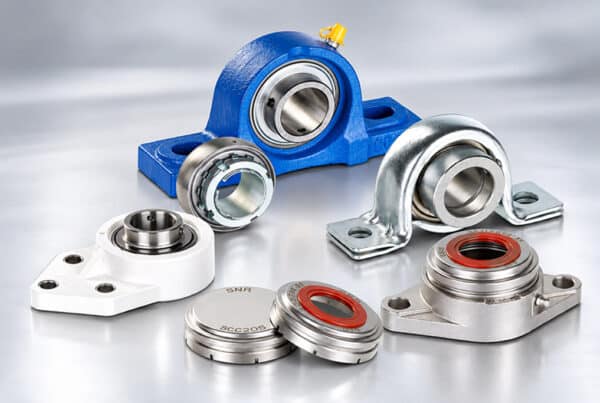
Automatic lubrication is particularly beneficial for electric motors, pumps, fans, conveyor systems, bearing units, and any equipment that operates continuously or has lubrication points that are difficult to access.
Can over-lubrication also cause problems?
Yes. Applying too much lubricant can increase internal resistance and operating temperatures, which may negatively affect bearing performance and reduce service life.
When is it worth switching to an automatic lubrication system?
If your equipment has multiple lubrication points, difficult-to-access locations, or you want to reduce maintenance time and minimize lubrication-related errors, an automatic lubrication system can provide a reliable long-term solution.