An unexpected bearing failure rarely happens at a convenient time.
An electric motor may shut down, a conveyor system may come to a halt, or even an agricultural machine can be taken out of operation in the middle of the season. In such situations, many people immediately suspect the quality of the bearing itself. However, experience shows that a significant proportion of bearing failures cannot be traced back to manufacturing defects.
In most cases, the root causes are factors that could be prevented through proper maintenance, correct installation, and conscious operation practices.
Let’s take a look at the most common reasons that can significantly shorten bearing service life.
1. Improper Lubrication
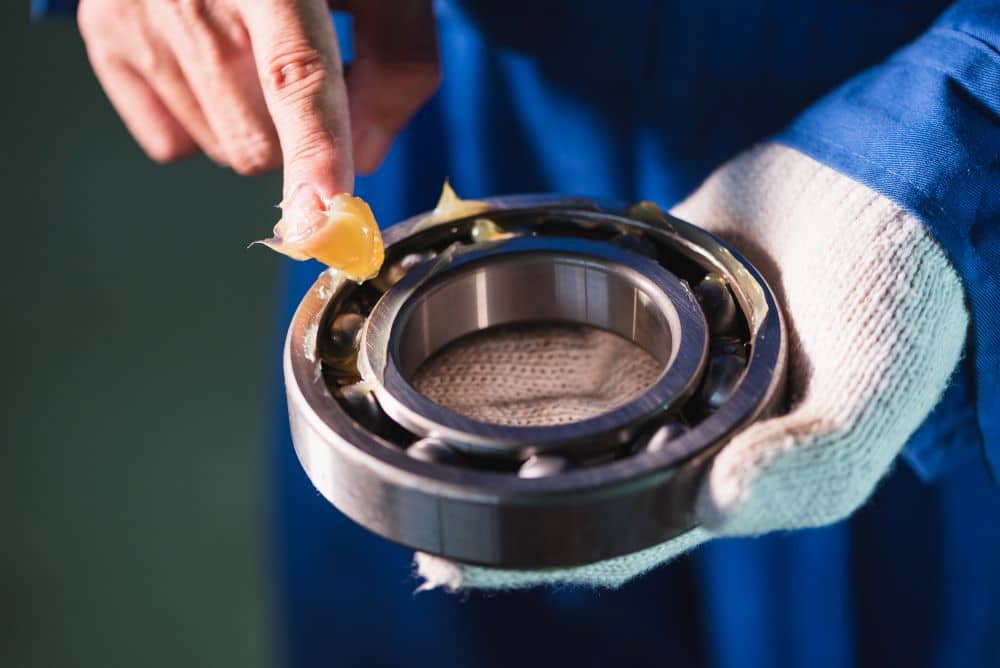
One of the most common causes of bearing failure is improper lubrication.
The problem is not always caused by insufficient lubricant. Over-lubrication can be just as harmful, as it may increase internal resistance and generate excess heat.
Common lubrication-related issues:
- Insufficient lubricant
- Excessive lubrication
- Using the wrong lubricant
- Missed re-lubrication intervals
Proper lubrication does more than reduce friction. It also protects the bearing against corrosion, helps dissipate heat, and minimizes wear. In larger facilities or in applications with hard-to-reach lubrication points, automated lubrication systems can provide a reliable and consistent solution.
Related Solutions:

2. Contamination and Moisture
Dust, moisture, and various contaminants can cause serious damage to bearings.
This is especially true in applications such as:
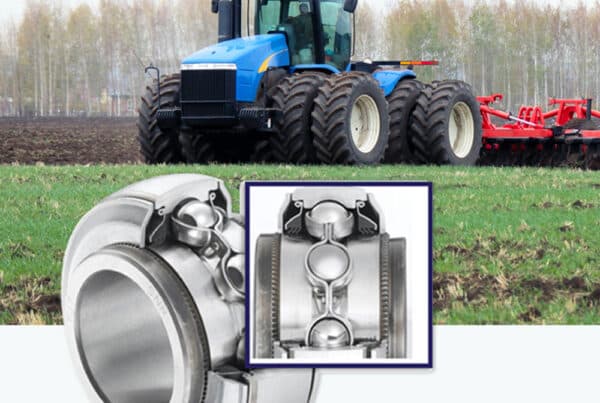
- Agricultural machinery
- Woodworking equipment
- Outdoor installations
- Conveyor systems
Contamination increases wear, reduces lubricant effectiveness, and can significantly accelerate bearing deterioration. Using properly sealed bearings and bearing units can greatly reduce these risks and help extend service life.
Related Solutions:
3. Overheating
Bearings naturally generate heat during operation. However, excessive temperatures can significantly reduce their service life.
Overheating may be caused by:
- Improper lubrication
- Excessive load
- Shaft misalignment
- Incorrect installation
- Increased friction
During the summer months, higher ambient temperatures can further increase the thermal load on bearings. For this reason, regular condition monitoring is especially important during this period.
Thermal imaging inspection can be a simple and effective tool for identifying potential problems at an early stage.
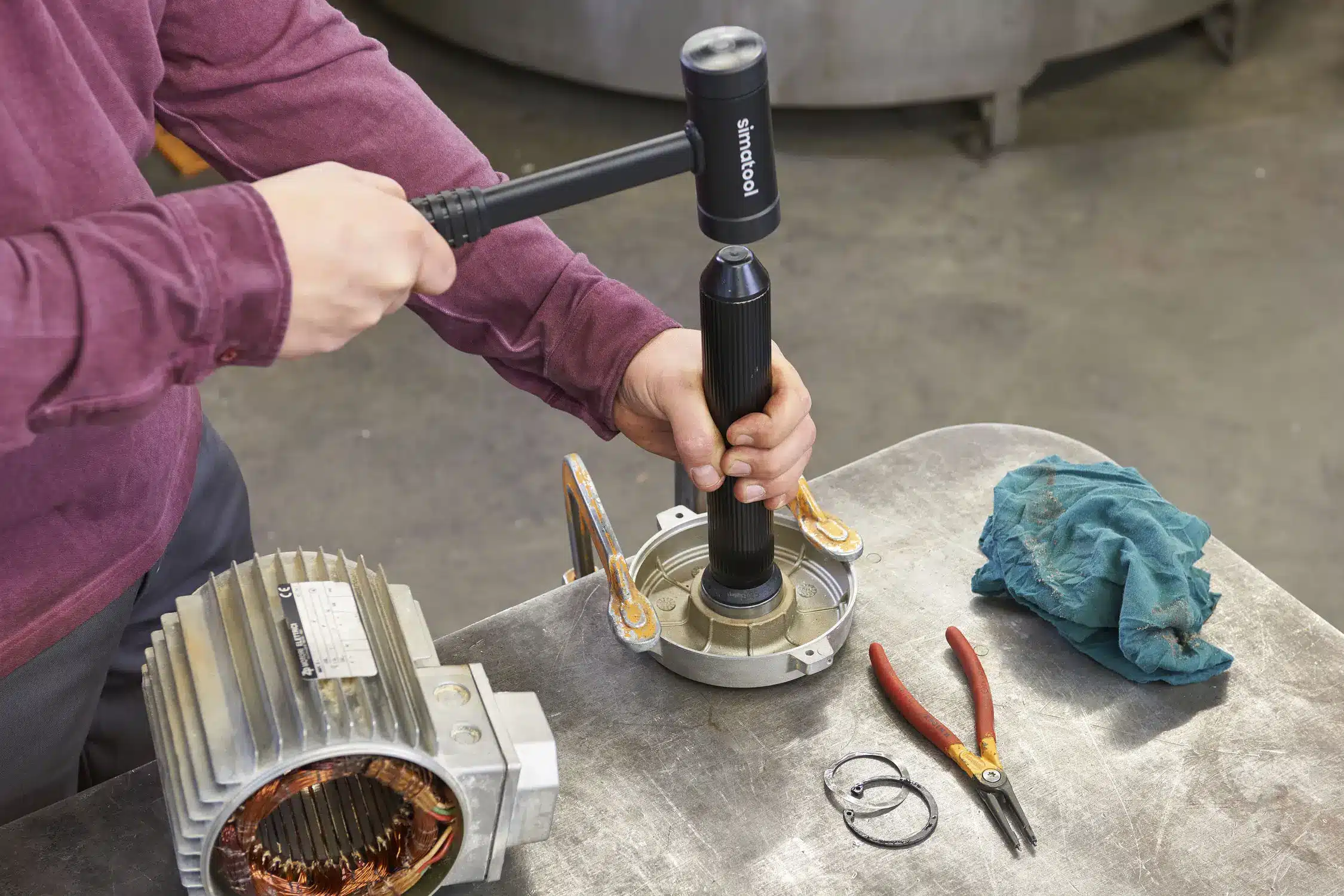
4. Incorrect Installation
Even the highest-quality bearing cannot perform reliably over the long term if mistakes are made during installation.
The most common installation errors include:
- Incorrect fit
- Misaligned installation
- Improper use of tools
- Damaged seals
- Raceway damage
When installing bearings, it is always recommended to follow the manufacturer’s instructions and use the appropriate specialized tools.
Related Solutions:
5. Lack of Regular Inspections
Bearings rarely fail overnight. In most cases, warning signs appear well before a failure occurs.
These may include:
- Unusual noise
- Increased vibration
- Elevated operating temperature
- Changes in lubricant condition
Regular condition monitoring provides an opportunity to identify and address potential issues before they lead to unexpected downtime and costly repairs.
When a bearing fails prematurely, the root cause is often not the bearing itself. Improper lubrication, contamination, overheating, incorrect installation, and a lack of regular inspections can all significantly reduce bearing service life.
Choosing the right bearing is only the first step. To ensure long-term, reliable operation, proper maintenance practices and regular condition monitoring are just as important.
Frequently Asked Questions
Can most bearing failures really be prevented?
Yes. Most premature bearing failures can be avoided through proper lubrication,
regular inspections, and correct installation practices.
Why is over-lubrication dangerous?
Excessive lubricant can increase internal resistance and heat generation,
which may damage the bearing over time.
When should an automatic lubrication system be used?
Automated lubrication systems are particularly beneficial when there are many
lubrication points, when access is difficult, or when reducing maintenance time
and lubrication-related failures is a priority.
What are the warning signs of an impending bearing failure?
The most common warning signs include unusual noise, increased vibration,
overheating, and changes in lubricant condition.
How do I choose the right bearing for my application?
Selecting the right bearing depends on factors such as load, speed,
environmental conditions, and operating requirements. Consulting a bearing
specialist can help ensure the best solution for your application.
Can We Help?
If you have any questions about bearings, lubrication technology, automatic lubrication systems, or selecting the right product for your application, feel free to contact the experts at Bearing Kft.
Our team is ready to help you find the most suitable solution for your specific application, whether it involves electric motors, pumps, conveyor systems, industrial equipment, or agricultural machinery.
Get in touch with us today, and let’s find the best solution together!