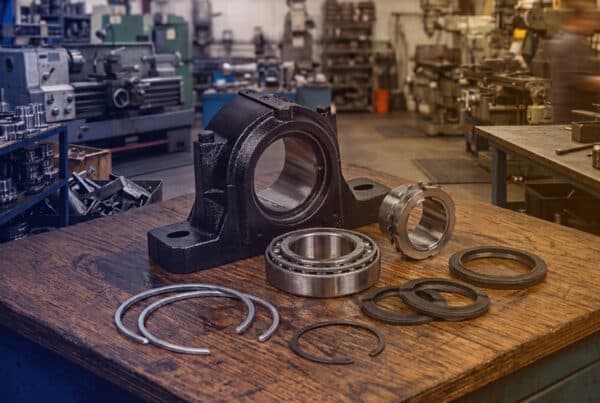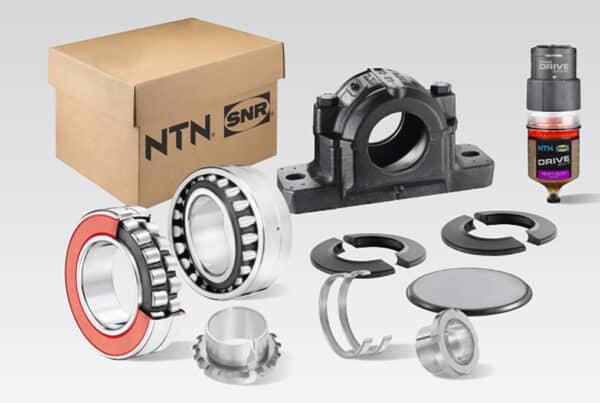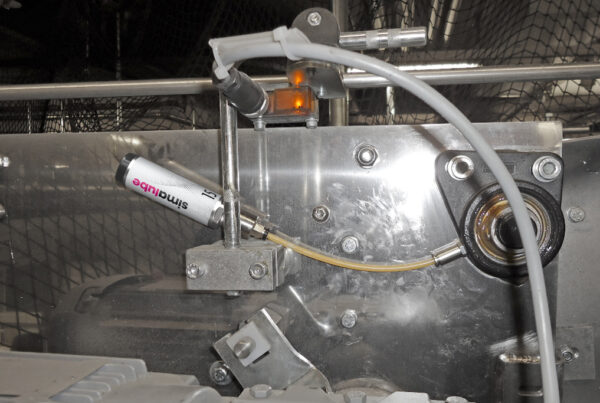
A bearing may seem like a simple component from the outside, yet it plays a critical role in how reliably, efficiently, and smoothly a machine operates over the long term.
A low-quality or improperly selected bearing can easily lead to:
-
An unexpected machine failure often doesn’t start with the breakdown of a major component — but with an overloaded or low-quality bearing.
Yet bearings are among the most critical components in industrial systems, directly affecting machine lifespan, energy consumption, and operational reliability.
A poorly selected or lower-quality bearing can easily lead to:
- premature wear,
- overheating,
- vibration or noise,
- higher energy consumption,
- and even unplanned machine downtime.
It is no coincidence that modern bearing manufacturing today relies on extremely precise technology.
Manufacturing Starts with the Raw Material
The performance of a bearing is largely determined by the quality of the raw material. Selecting the right steel is crucial, as bearings often operate under continuous load conditions.
In modern industrial environments, the following are common:
- high rotational speeds,
- continuous operation,
- dusty or contaminated environments,
- and heavy loads.
This requires materials that can withstand wear and mechanical stress over the long term.
That is why premium manufacturers use strictly controlled raw materials to ensure stable and reliable bearing performance, even under extreme operating conditions.
Why Is Heat Treatment So Important?
One of the most critical stages of bearing manufacturing is heat treatment. This process provides the component with the necessary hardness and wear resistance.
A properly heat-treated bearing is:
- more durable,
- better able to withstand heavy loads,
- less prone to wear,
- and capable of delivering stable long-term performance.
This is especially important in systems where a failure could result in significant production loss or costly downtime.
In many cases, industrial reliability already depends on this manufacturing step.
Micron-Level Precision Is Not an Exaggeration
Modern bearing manufacturing requires extremely precise machining. Even minimal deviations can affect performance.
During production, manufacturers often work with micron-level precision — meaning tolerances can be smaller than the thickness of a human hair.
This is important because inaccuracies can influence:
- running accuracy,
- vibration levels,
- noise,
- and energy consumption.
Reduced friction not only results in quieter operation but can also contribute to lower energy usage and longer service life.
Quality Control Is More Than a Formality
In modern bearing manufacturing, every production stage is carefully inspected.
The goal is not only to ensure that the bearing functions properly, but also that it remains reliable over the long term.
This is particularly important in:
- electric motors,
- industrial drive systems,
- conveyor systems,
- agricultural machinery,
- and automated equipment.
Precise manufacturing and strict quality control can help reduce the risk of unexpected failures and unplanned downtime.
Modern Bearings Are Also About Energy Efficiency
Today, it is no longer enough for a machine simply to operate — it must also operate efficiently.
In modern industry, increasing importance is placed on:
- energy efficiency,
- sustainable operation,
- lower maintenance costs,
- and longer operating life.
Advanced bearing technology can contribute to:
- reduced friction losses,
- lower energy consumption,
- reduced wear,
- and extended service life.
That is why manufacturers today place strong emphasis on low-friction designs and long-term operational reliability.
Video: How a Modern Bearing Is Made
NTN’s “How Bearings are Made” video offers an impressive look into the technology and precision required to manufacture a modern bearing.
Looking for a Reliable Bearing Solution?
Choosing the right bearing can make a significant difference in service life, energy efficiency, and reliable operation over the long term.
If you have questions about a specific application, our expert team is here to help you find the right solution.
Frequently Asked Questions
Why is a high-quality bearing important in industrial machinery?
The right bearing can reduce friction, vibration, and wear, helping to
improve service life, lower energy consumption, and ensure more reliable
machine operation.
What does micron-level precision mean in bearing manufacturing?
Micron-level precision means that manufacturing is carried out with
extremely small tolerances. This is essential for quieter operation,
lower vibration levels, and stable running performance.
Why is heat treatment important for bearings?
Heat treatment provides the bearing with the necessary hardness and wear
resistance. As a result, the bearing can better withstand loads and
operate reliably for a longer period of time.
How can modern bearings improve energy efficiency?
Low-friction bearings can reduce energy losses, allowing machinery to
operate more efficiently while also lowering operating costs.
When should you consult an expert for bearing selection?
Expert advice is recommended when machinery operates under heavy loads,
high rotational speeds, dusty or contaminated environments, or when long
service life and minimizing unplanned downtime are critical.